

Transform Your Barn Into a Functional and Clean Space
Barns have a way of collecting everything over the years. Old feed bags pile up in corners. Broken equipment sits where you left it last season. Whole spaces are covered with dust and cobwebs. So, learn how to tackle a barn cleanout puts you back in control of your space.
A dirty and messy barn creates real problems for farmers and property owners. Time is wasted searching for tools, and animals face health risks from poor conditions. Fire hazards increase with every stack of old hay, making safety a daily concern. Knowing how to tackle a barn cleanout through a barn cleaning tips guide helps protect your investment, your animals, and your family.
This guide helps you through every step of the process. You will learn how to plan, sort, and organize the barn like a pro. We cover disposal options and maintenance schedules, too. Large barns and heavily cluttered spaces need special attention. These barn decluttering tips work for any size building on your property. Your barn will function better when you finish this project.
Step 1: Plan Your Strategy to Tackle a Barn Cleanout
Good planning makes the entire cleanout faster and easier. Rushing in without a plan wastes hours of your time. Take a moment to think before you grab that first trash bag. A solid strategy turns chaos into a smooth project.
Assess the Space
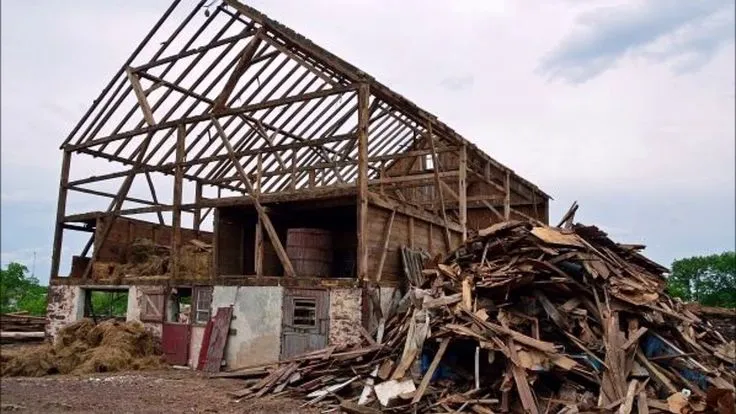
Walk through the barn and look at everything. Use a notebook to write down your notice points. Focus on areas that need the most work. Look for safety risks like loose boards or pest damage. Check all the stalls, corners, and loft spaces carefully.
Make a rough count of large items that need removal. Old tractors and broken machinery require careful planning, and piles of scrap metal need different disposal than regular trash. This walkthrough provides a clear picture of the work ahead, allowing you to plan time and resources effectively. A professional barn cleanout ensures the process is safe, efficient, and thorough.
Think about the outbuilding organization as you tour the space. Picture where things should go when you finish. Imagine clear walkways and organized storage areas. This vision guides your decisions during the sorting phase later.
Set Goals
Write down exactly what you want to achieve. Your goals should be specific and realistic for your situation. Here are common goals that most barn owners share
Maximize usable space: by removing items that serve no purpose. Every square foot of floor space has value on a farm. Reclaim areas that junk has stolen from you over the years.
Improve safety and accessibility for everyone who uses the barn. Clear pathways prevent trips and falls. Removing fire hazards protects your animals and property.
Reduce clutter efficiently without wasting days on the project. A good, efficient barn organization saves time during the cleanout. It also keeps the barn neat for months and years to come.
Step 2: Gather Supplies Before You Tackle a Barn Cleanout
Having the right tools on hand prevents frustrating delays. Gather everything before your cleanout day arrives. Running to town for supplies breaks your momentum and wastes daylight.
What You Will Need
Stock up on heavy-duty garbage bags in large sizes. Regular kitchen bags tear too easily for barn work. Buy more than you think you need because you will use them fast.
Safety First
Look for structural problems like rotted boards and weak spots. Test loft floors before putting your full weight on them. Unstable structures can collapse without warning during cleanout work. You can clean the barn quickly only when you work safely throughout the project.
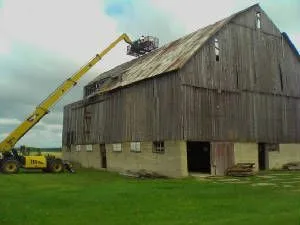
Call a professional if you find major pest or structural issues. Some problems require expert help before you can proceed. Junk removal for barns sometimes means removing hazards first.
Step 3: Sort and Declutter to Tackle a Barn Cleanout Right
Sorting makes the difference between a real cleanout and just moving junk. Every item needs a decision and a destination. This step takes time but creates lasting results.
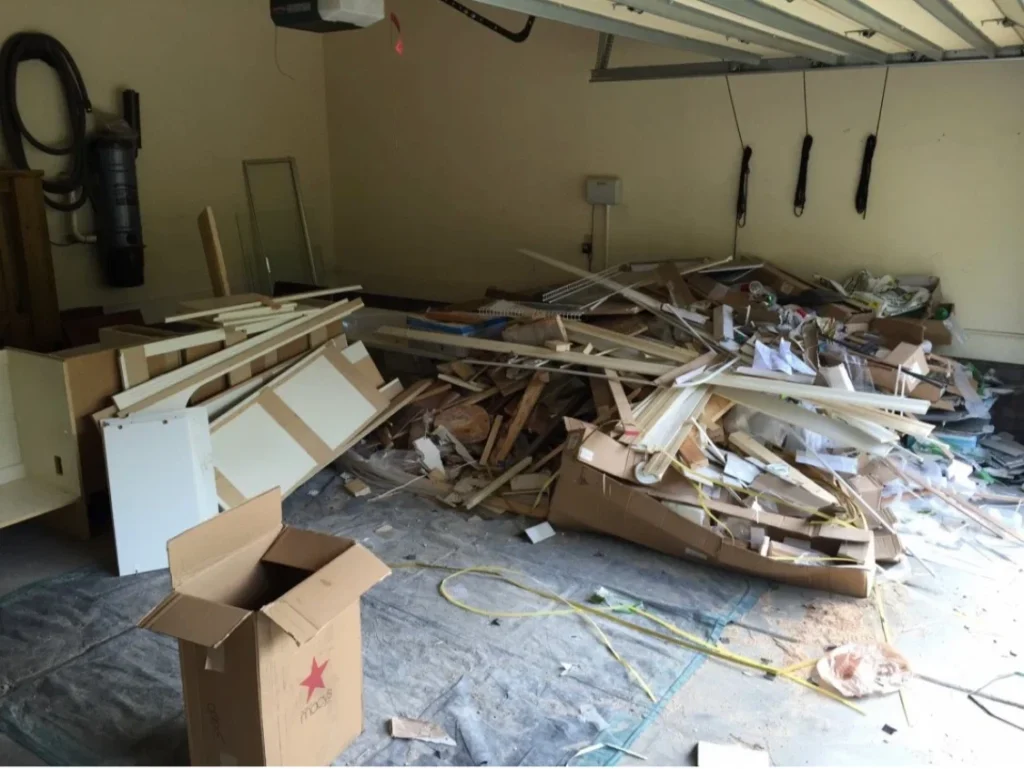
Create Categories
Set up four distinct zones outside the barn entrance. Mark them clearly so everyone helping knows the system. Your categories should be Keep and Donate and Sell, and Dispose.
The Keep pile holds items you use regularly or seasonally. Be honest about what you actually need and use. That old saddle collecting dust might belong in another pile.
Learning how to declutter a barn means making quick, firm decisions. Pick up each item and choose a pile within seconds. Hesitation leads to keeping things you should release. Use the one-year rule as your guide for tough choices.
Handle Large Items and Waste
Big items need special handling beyond regular trash bags. Old machinery might require disassembly before moving. Break down wooden structures into manageable pieces when possible.
Rent a dumpster for large-scale cleanout projects. Junk removal for barns goes much faster with proper disposal containers. Most rental companies drop off and pick up within your schedule.
Check local rules about what dumpsters can accept. Some items, like tires and chemicals, need separate disposal. Hazardous materials require special handling in most areas.
Pile scrap metal separately for recycling pickup later. Many recyclers pay cash for old farm metal and equipment. This turns junk into money while helping the environment.
Barn spring cleaning often uncovers more waste than anticipated. Order a larger dumpster than you think you’ll need, because running out of disposal space can stall your entire project. To keep spaces organized and safe, follow guidelines on how to handle household waste, ensuring everything that needs to go is removed efficiently.
Step 4: Organize Remaining Items After You Tackle a Barn Cleanout
A clean, empty barn is just the starting point. Organization turns empty space into a functional workspace. This step prevents future clutter from taking over again.
Optimize Storage
Install sturdy shelves along barn walls to lift items off the floor. Wall storage creates clear walkways and floor space for activities. Metal shelving lasts longer than wood in damp barn environments.
Hang pegboards near workbenches for hand tool storage. Outline each tool with a marker so items return to their proper spots. This simple trick keeps tools organized without constant effort.
Farm storage solutions work best when they match your daily habits. Store frequently used items at an easy reach height. Seasonal equipment can go higher or deeper in storage areas. Organize barn tools by how often you grab them each week.
Label Everything
Labels save time every single day after your cleanout finishes. Mark bins and shelves, and storage zones clearly. Use weatherproof labels that survive barn conditions year-round. Clear containers show contents without opening them. You see exactly what is inside at a quick glance. Dark or solid containers need labels even more than clear ones.
Create a simple map of your new barn layout. Post it near the entrance where everyone can reference it. Helpers and family members find things faster with a map. Your barn maintenance checklist should include label updates quarterly. Replace worn labels before they become unreadable. Add new labels when you bring new categories of items inside. Good barn decluttering tips include ongoing organization habits.
Step 5: Clean and Maintain After You Tackle a Barn Cleanout
Cleaning transforms your sorted barn into a truly fresh space. Dirt and grime hide under years of accumulated stuff. Now is the time to scrub everything properly.
Sweep and Dust and Disinfect
Start from the top and work your way down to the floors. Knock down cobwebs from rafters and ceiling corners first. Dust falls down, so cleaning high areas first makes sense.
Sanitize feeding troughs and water stations with safe cleaners. Livestock barn cleaning requires attention to animal health products. Rinse all surfaces well to remove cleaning product residue.
Schedule Regular Maintenance
One big cleanout is not enough to stay organized forever. Schedule barn spring cleaning on your calendar each year. Mark it as a firm appointment that cannot be skipped. Monthly quick cleanups prevent major buildup over time. Spend just thirty minutes walking through and tidying spaces. Catch small messes before they become overwhelming problems.
Weekly spot checks take only five or ten minutes. Look for items out of place and return them to their homes. Notice early signs of pest activity or moisture problems. Efficient barn organization requires ongoing attention and effort. Build these habits into your regular farm routine. The investment pays off in time saved every day.
Step 6: Check Equipment to Tackle a Barn Cleanout Fully
Your cleanout offers a perfect chance to inspect farm equipment. Items pulled from storage need evaluation before going back. Catch problems now while everything is accessible.
Check Tools and Machinery
Examine each tool for rust and wear, and damage. Wire brushes remove surface rust from metal tools quickly. Apply light oil to prevent future rust from forming.
Farm storage solutions include proper equipment care and storage. Clean tools before putting them away in new, organized spaces. Dirty equipment damages faster than clean equipment over time.
Document what repairs each machine needs for future reference. Make a list and schedule repairs during slower farm seasons. Learning how to declutter a barn includes knowing the equipment’s condition.
Step 7: Dispose Responsibly to Tackle a Barn Cleanout
Proper disposal protects the environment and follows local laws. Random dumping creates problems for you and your neighbors. Take time to dispose of cleanout waste correctly.
Recycle scrap metal: at designated facilities in your area. Old fencing and broken equipment, and tin roofing have value. Recyclers often pay by weight for clean, sorted metal loads.
Donate usable items: to local farms and charities, and schools. Working tools and equipment help others who need them. Donation receipts may provide tax benefits for your records.
Dispose of chemicals: through proper hazardous waste channels. Old pesticides and fuels, and solvents need special handling. Your county likely offers periodic collection events for these items.
Avoid illegal dumping: to protect soil and water sources. Fines for illegal disposal can reach thousands of dollars. Neighbors remember, and relationships suffer from careless dumping, too.
Junk removal for barns: works best with a disposal plan ready. Know where each type of waste will go before cleanout day. This preparation keeps the project moving without unexpected delays. You maximize barn space while being a responsible property owner.
Conclusion
Knowing how to tackle a barn cleanout transforms your entire farming operation. With help from RRC Cleanouts and Dumpster, a clean barn saves time every day. Tools stay organized and easy to find. Animals enjoy healthier, cleaner living conditions, and safety improves as hazards and clutter are removed from pathways.
Follow the steps this guide has laid out for you. Plan your approach before lifting the first item. Sort everything into clear categories with firm decisions. Organize what remains using smart storage solutions throughout. Clean every surface and schedule ongoing maintenance in the future. Start your barn cleanout today and enjoy a safer and organized space.
FAQs
Most barn cleanouts take between one and three full days. Size and clutter level affect the timeline significantly. A small tidy barn might take just one long afternoon. Large neglected barns can require a full week of work. Having helpers speeds the process up dramatically for everyone.
You can work alone, but a team makes everything faster. Heavy items require two people for safe lifting. Sorting decisions goes quicker when you talk through choices. Even one helper cuts your project time nearly in half. Ask family or friends to join for a day.
Sell working equipment at farm auctions or through online listings. Scrap metal buyers pay cash for broken machinery and metal. Donate functional items to agricultural programs or local farms. Check with antique dealers for vintage equipment with collector value. Dispose of truly worthless items through proper waste channels only.
Do one major cleanout every year during slower farm seasons. Monthly quick cleanups prevent clutter from building up fast. Weekly walkthroughs catch small problems before they grow larger. Efficient barn organization requires ongoing attention throughout the year.
Yes, a clean, organized barn adds real value to farm property. Buyers notice functional outbuildings during property tours. Well-maintained barns suggest good overall property care to buyers. Appraisers consider barn condition when assessing farm value. A cleanout investment often pays off at selling time.