

Estate work can turn messy fast after teardown. Homeowners face stress when waste piles grow. Demolition and cleanout guides help control this work. Without clear steps, property cleanup becomes slow and risky. We share real field methods used on sites.
We start with a simple inspection of the full property. Then, teams follow demolition and cleanout guides step by step. This helps manage property cleanout with less confusion. Demolition services support safe removal of heavy structures. Debris removal clears the site for the next stage of work. A cleanout guide keeps the process organized from start to end. This roadmap helps homeowners restore space with less stress.
Understanding the Difference Between Demolition and Cleanout Work

What Is Demolition Work?
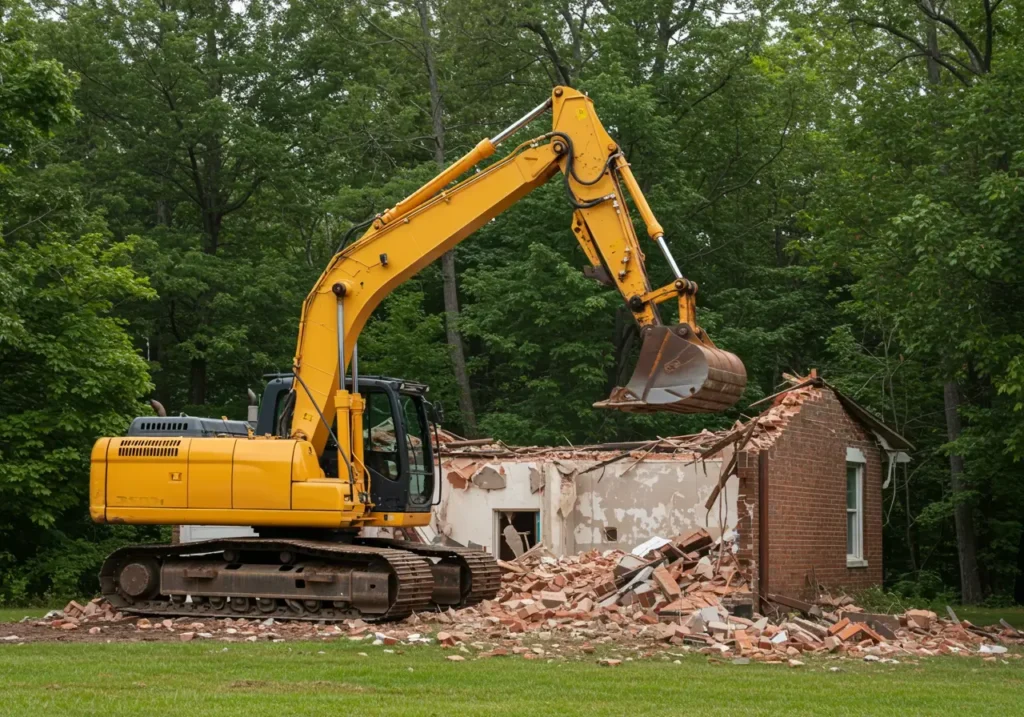
Demolition work means taking apart old parts of a home or estate in a safe and planned way. It is never a random breaking of structures. Workers use a demolition guide to stay careful and follow each step. In homes, it can include removing walls, floors, and damaged areas. The aim is to clear space without harming nearby parts of the property or causing risk to workers or neighbors.
What Is a Cleanout Process?
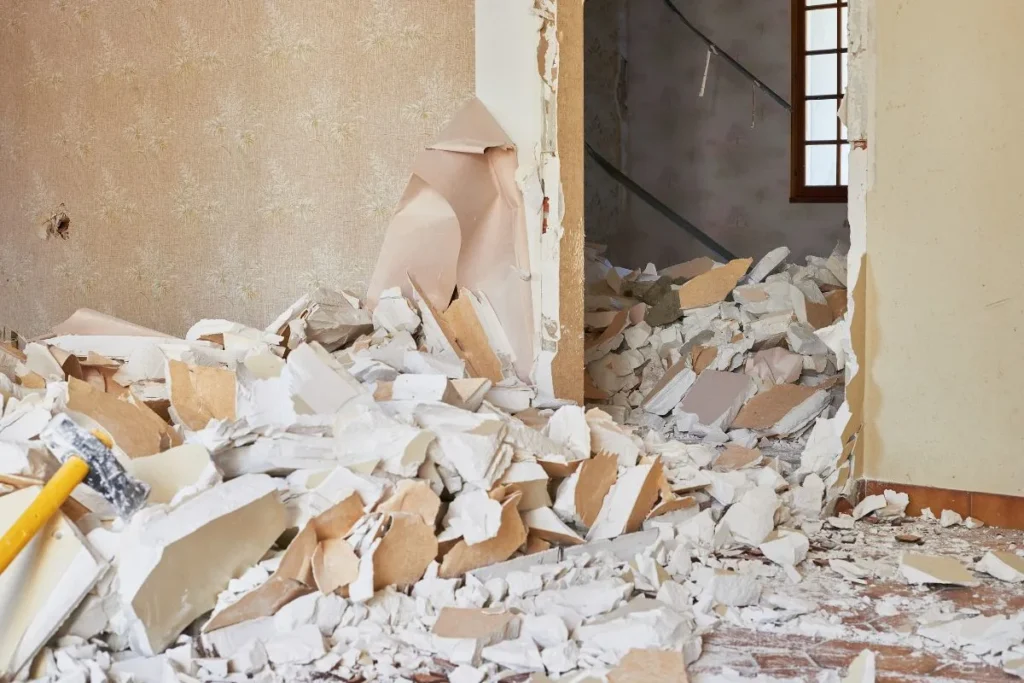
A cleanout process means removing all items and waste left after demolition is complete. This includes broken pieces, trash, and unused materials inside the property with grill recycling landfills. A cleanout guide helps sort everything in a simple and organized way. This step gets the property ready for repair, rebuilding, or new use. It helps keep the area clean, open, and safe for the next stage of work.
Why do both processes work together?
Demolition and cleanout work support each other for better results. A demolition and cleanup guide helps link both steps into one clear process. Once demolition is done, cleanout starts right away to remove leftover debris. This keeps the site safe and avoids confusion during work. When both steps follow a proper structure, property cleanout becomes faster and much easier to manage.
Why Property Cleanout Is Essential After Demolition?
Property cleanout after demolition keeps the site safe and usable for the next work. It removes hidden risks and clears space for better planning. Demolition services often depend on proper cleanup for smooth progress. Debris removal also helps avoid delays and keeps the property ready for repair or resale work with grill recycling importance.
- Prevents safety hazards on site
- Improves property value and usability
- Ensures compliance with disposal rules
- Supports faster renovation or resale
- Keeps demolition services working smoothly
Types of Demolition and Cleanout Projects
Residential Property Cleanout
Residential cleanout covers homes, apartments, and small structures after demolition work. A cleanout guide helps homeowners sort waste and clear rooms in order. It includes old furniture debris and damaged items. Property cleanout in homes needs careful steps to avoid damage and ensure safety. This type of work is usually smaller but still needs planning and structure for smooth results.

Commercial Demolition Cleanup
Commercial cleanup includes offices, warehouses, and large business buildings. These sites produce heavy debris and mixed waste after demolition. A demolition and cleanout guide’s approach helps manage large-scale removal in steps. Workers follow safety rules and use tools for faster clearing. This ensures property cleanout is completed without delays or risks to workers or site structure.
Estate Cleanout Projects
Estate cleanout projects involve large-scale item removal after property transfer or a major change. A cleanout guide helps manage personal items, furniture, and leftover materials. These projects need more time and planning than a normal cleanup. Proper structure ensures a smooth property cleanout and prepares the space for sale, rebuild, or new use efficiently.
Step-by-Step Property Cleanout Process After Demolition
A good property cleanout step by step saves you pain. I have done this over 200 times. Let me walk you through each real phase.
Step 1: Site Inspection and Planning
Evaluate debris and hazards
Walk the whole site first. Look for nails and broken glass. Check if any walls are unstable. I always snap photos on my phone. This helps me spot danger zones. A five-minute look prevents a hospital trip. My property cleanout step by step always starts here.
Step 2: Sorting Usable and Waste Materials
Separate recyclable and non-recyclable items
Make three piles right away. One for metal. One for wood. One for trash. I found copper pipes worth 200 dollars once. A cleanout guide says never toss everything together. You lose money that way. Sorting takes extra time but pays off.
Step 3: Safe Debris Removal
Use proper tools and safety gear
Grab a wheelbarrow and heavy gloves. Load from the top down. Do not pull a big pile from the bottom. I learned that lesson with a bruised knee. Debris removal goes faster with a partner. Pass loads hand to hand. Your back will thank me later.
Step 4: Disposal Through Approved Channels
Follow waste management regulations
Call your local dump before you go. Ask about concrete and drywall rules. Some places charge extra for tires. I keep a folder of disposal receipts. This covers you if anyone asks questions. Good home demolition cleanup tips include knowing the law.
Step 5: Deep Site Cleaning
Remove dust, nails, and leftover materials
Sweep every corner twice. Use a magnet roller for nails. I run it over the floor three times. Then spray water to settle the dust. Home demolition cleanup tips like this make the site safe. A clean site also looks professional for the next step with cabinet waste removal.
Step 6: Final Safety Inspection
Ensure the site is ready for the next use
Walk the whole area one last time. Check for hidden sharp things. Look for loose boards or holes. I invite a second person to look too. Two sets of eyes catch more mistakes. Your property cleanout step by step ends here. Now the site is ready for whatever comes next.
Essential Tools Used in Demolition and Cleanout Work

Safety Gear for Worker Protection
Every job starts with basic safety gear on site. Workers wear gloves, helmets, and strong boots each day. These items protect from sharp parts and heavy drops. Any solid demolition guide puts safety first before work begins. This keeps demolition services work steady and lowers risk during tough tasks.
Tools for Debris Removal
Large bins and carts help move waste across the site. Crews use them to handle fast debris removal without stress. Keeping waste in one place helps workers move with ease. It also keeps paths clear during active work hours on site.
Cutting and Cleaning Equipment
Cutting tools help break old parts into small pieces. After that, crews use simple tools to clean dust and loose waste. This step helps finish the job the right way. It leaves the site neat and ready for the next stage.
Common Challenges in Property Cleanout Projects
A good cleanout guide prepares you for real problems. I have seen every mess possible. Property cleanout work gets hard fast. Let me list the biggest fights you will face.
- Hidden structural hazards hurt people
- Large debris volume fills many trucks
- Improper waste segregation brings fines
- Time issues blow your whole schedule
- Labor management drains your crew fast
- Nails in old wood ruin your tires
- Dust gets into every single crack
These demolition and cleanout guides help you spot trouble early. A property cleanout without a plan fails every time.
Benefits of Professional Demolition Services
Time Efficiency
Professional teams finish jobs much faster than unplanned work. They follow a clear demolition guide from start to end. This keeps each step simple and direct. Quick progress helps reduce delays on site. It also allows faster debris removal without stopping work again and again with garage warning signs.
Safety Assurance
Safety remains a top focus during all stages of work. Skilled crews know how to handle risk on site. They use proper gear and safe methods each day. This reduces the chances of injury during heavy tasks. It also keeps the site stable while demolition services continue.
Proper Waste Management
Teams manage waste in a clean and careful way. They sort items before debris removal begins. This helps send waste to the right place. It supports safe disposal and avoids harm to the area. A good demolition guide always includes proper waste handling steps.
Home Demolition Cleanup Tips for Better Results
Plan Before Starting Cleanup
Start with a simple plan before cleanup begins. Walk through the site and note all areas. A demolition and cleanup guide helps set clear steps. This keeps the property cleanout smooth and easy to follow. A planned flow saves time and avoids stress during work.
Use Protective Equipment
Always wear basic safety gear during cleanup work. Use gloves, boots, and eye cover for protection. This reduces risk from sharp and heavy parts. Safety steps keep workers steady at all times. It also helps avoid injuries during property cleanout tasks.
Separate Recyclables Early
Sort items early into waste and reusable groups. Keep metal, wood, and other items apart. This helps reduce landfill waste during cleanup. It also makes property cleanout faster and more organized. Early sorting keeps the site clean and easier to manage.
Debris Removal Strategies for Large Properties
Large sites need clear planning for smooth debris removal work. Big waste piles can slow progress without control. Teams use simple methods to keep the flow steady. Good planning supports property cleanout and helps demolition services stay on track during heavy cleanup stages with grill recycling landfills.
- Use large dumpsters for bulk waste
- Hire skilled demolition services teams
- Plan cleanup in clear work phases
- Handle risky waste in separate areas
- Keep property cleanout areas well-managed
Environmental Impact of Proper Demolition Cleanout
Reducing landfill waste
Good planning helps cut waste that goes to landfill sites. Teams sort items before debris removal starts on site. A demolition guide shows how to manage waste step by step. This keeps dumping loads lower and sites more clean. It also helps crews stay in control during heavy cleanup work.
Promoting the recycling of materials
Many items can be reused instead of being thrown away after work. Wood, metal, and bricks are often saved during cleanup jobs. Demolition and cleanout guides help crews spot useful items early. This makes recycling simple and reduces total waste on site. It also helps save costs on new materials later.
Minimizing pollution from debris
Loose debris can spread dust into nearby areas during work. Good debris removal keeps waste in one place on site. Crews use simple steps to control dust and small particles. This helps protect the air and keeps the site safer for workers.
Supporting sustainable construction practices
Clean sites help future work stay safe and well planned. A clear demolition guide supports better project flow later. Proper cleanup reduces waste and improves the reuse of materials. This supports long-term building goals without extra load on land with gym equipment removal.
Cost Factors in Demolition and Cleanout Projects
Size of property and debris volume
The size of the property affects the total cleanup cost. Larger sites create more waste and need more time. High debris volume slows work and adds extra effort. A cleanout guide helps estimate the load and plan better. This keeps property cleanout costs more clear from the start.
Labor and equipment costs
Labor cost depends on team size and work time. Skilled crews may charge more for safe work. Equipment like tools and bins also adds to the cost. Demolition services often include both labor and tool use. This makes total pricing vary by job type.
Waste disposal fees
Disposal sites charge fees based on waste type and load. Heavy or mixed waste can cost more to dump. Proper sorting helps reduce some charges. A cleanout guide supports better waste handling and cost control.
Complexity of demolition work
Complex jobs take more time and careful steps. Hard access or tight spaces increase work difficulty. Demolition services cost more for such conditions. Good planning helps manage property cleanout without extra delays.
Smart Tips for Efficient Property Cleanout Management
Good cleanup work needs simple planning and steady focus. A cleanout guide helps keep each task clear. Demolition and cleanout guides support safe flow on site. Property cleanout becomes easier when the steps are small and clear. Always stay careful and avoid rushing during work for better results overall.
Tips
- Plan each cleanup stage
- Wear full safety gear
- Sort waste early
- Keep tools in one place
- Follow a cleanout guide
- Avoid rushing heavy work
- Track debris removal daily
Conclusion
A clear, clean-out process makes demolition work easier to handle. It reduces stress and keeps every step organized. Demolition and cleanout guides help manage tasks in a safe order. This improves control during debris removal and avoids confusion on-site. Demolition services support heavy work and ensure proper handling of materials. A planned property cleanout also saves time and improves safety for workers and owners with RRC Cleanouts.
These methods show the value of structure in real projects. They help reduce waste and support cleaner work sites. Proper debris removal also protects the environment and keeps areas ready for reuse. Using a trusted demolition guide leads to better results and fewer mistakes. Always choose professional support for complex jobs. Follow clear steps for safe and smooth completion every time.
FAQs
They help people follow clear steps during cleanup work after demolition. Demolition and cleanout guides keep the process safe and organized for better results.
A demolition guide gives simple steps for safe work. It reduces confusion and helps teams finish tasks faster with fewer mistakes on-site.
A cleanout guide includes sorting waste, removing debris, and cleaning the space. It also helps homeowners prepare property for repair or new use.
Property cleanout step by step starts with inspection, then sorting waste, followed by debris removal, and final cleaning for a safe, ready site.
Home demolition cleanup tips include wearing safety gear, planning work, and sorting waste early. These steps help beginners avoid risk and stay organized.